
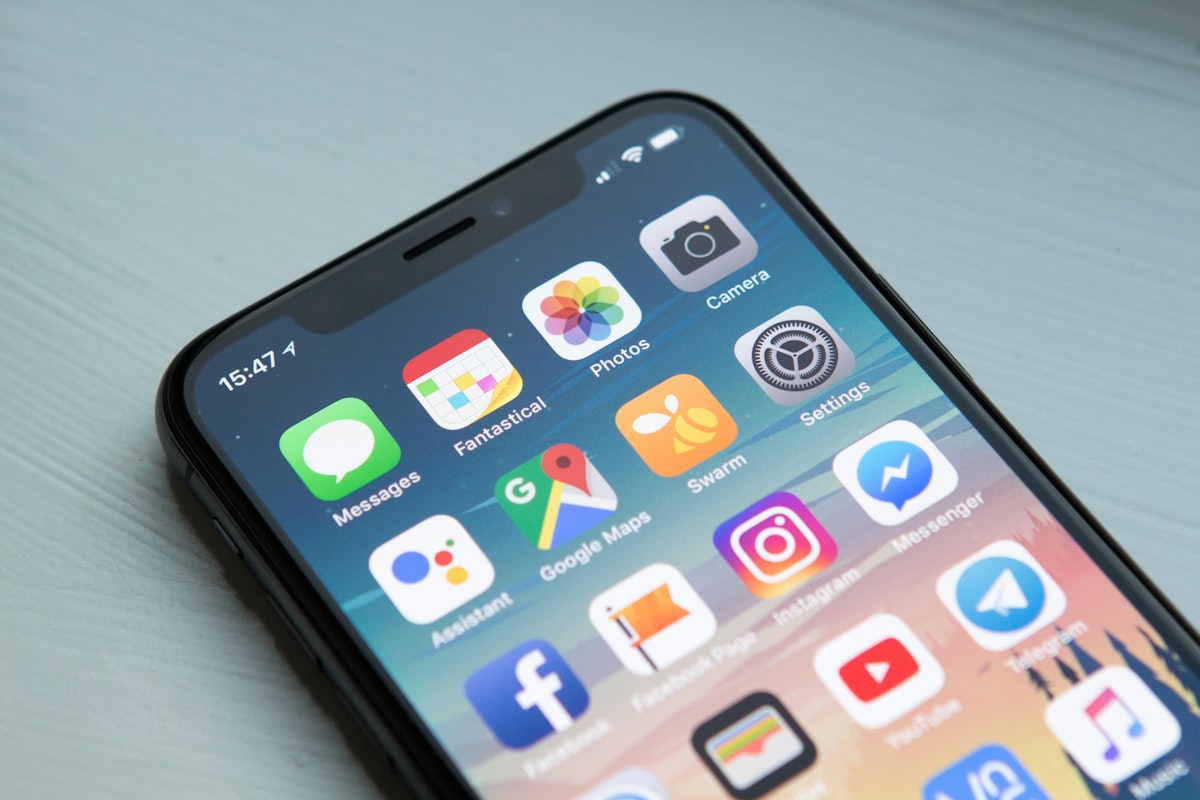
The new phone policy has everyone talking. We interviewed students on both sides - those who miss their phones and those who appreciate the break. Teachers share surprising results too.
The Policy Explained
Since January 2nd, CHS has implemented a "phone away for the day" policy. Students must place their phones in their lockers or keep them powered off in their backpacks during the school day (7:30 AM - 2:45 PM). Phones can only be used during lunch and between classes.
Violations result in the phone being confiscated and returned at the end of the day. Three violations = parent conference.
The Student Perspective: Mixed Reactions
Team "I Miss My Phone"
"Honestly? It sucks," says junior Breanna Williams bluntly. "I use my phone for everything - calculator, translator, calendar, music during study hall. Now I have to carry all this extra stuff."
Senior Pablo Hernandez agrees. "I'm an ESL student. I didn't realize how much I relied on my phone to translate words during class. Now I have to ask the teacher to pause and look up words in a physical dictionary. It slows everything down."
Freshman Zoe Anderson points out the safety concern. "My mom works weird hours. If something happens and she needs to reach me, she can't. That makes both of us anxious."
Team "Actually, It's Not So Bad"
But not everyone hates it. Sophomore Marcus Lee admitted he was surprised by his own reaction.
"First week I was annoyed. Second week I realized I was way less distracted. I actually finish my work in class now instead of scrolling TikTok and having to do homework later."
- Marcus Lee, Sophomore
Junior Emma Chen discovered something unexpected. "Lunch is... different. Without phones, people actually talk to each other. Like, I had a real conversation with someone I've sat near for two years but never really knew. It's weird but kind of nice?"
Senior Kai Thompson noticed the social dynamics shift. "There's less phone-based drama. Less screenshots of texts being passed around, less posting people without their permission. The vibe is just calmer."
The Teacher Perspective: Surprising Results
We talked to five teachers about what they've observed since the policy started.
Ms. Rodriguez (English): "The difference is night and day. Students make eye contact now. Discussions are richer because people are listening instead of half-paying attention while they text. I can actually teach."
Mr. Johnson (Math): "Test scores have gone up. Students aren't sneaking answers on their phones, obviously, but more than that - they're actually learning the material instead of relying on Photomath."
Ms. Parker (Science): "The downside is that I used to have students use their phones for research during labs. Now I have to reserve computer labs, which is a hassle. But overall, students seem more present."
The Unintended Consequences
Every policy has consequences nobody anticipated. Here's what we've discovered:
The Smartwatch Loophole
"Students with Apple Watches can still text, use social media, and pretty much do everything," points out senior Aaliyah Davis. "So it's really only affecting students who can't afford smartwatches. That feels unfair."
The Bathroom Situation
Multiple students reported that bathrooms have become the new phone zone. "People are taking way longer bathroom breaks now," says junior Chris Martinez. "It's the only place you can check your phone."
The Between-Class Rush
"You have four minutes between classes," explains sophomore Tiana Wilson. "Now everyone's crowding their lockers trying to check phones, respond to texts, check what homework is due. It's chaotic."
What Students Wish Adults Understood
We asked students: if you could tell administrators one thing about this policy, what would it be?
"Phones aren't just for fun." Multiple students mentioned using phones for legitimate educational purposes - calculators, language translation, accessing online textbooks, and calendar management.
"Family communication matters." Several students have after-school jobs, sibling pickup responsibilities, or parents with unpredictable schedules. Not having phone access creates logistical problems.
"Trust us a little." As senior Jordan Kim put it: "We're months away from being in college where we'll have to manage our own phone use. Maybe teach us responsibility instead of just taking them away?"
Possible Compromises?
Students suggested several modifications that might address concerns from both sides:
- Phone pockets in classrooms instead of locker storage (so emergency calls can still reach students)
- Allowing phone use during study hall for educational purposes
- Creating phone-free zones rather than school-wide bans
- Letting juniors and seniors have more freedom as they prepare for college independence
The Bottom Line
After interviewing 50+ students and multiple teachers, here's what's clear: the phone policy is working for some things (attention, test scores, face-to-face interaction) but creating challenges for others (accessibility, legitimate educational use, family communication).
The question isn't whether phones are good or bad - it's how we balance digital tools with focused learning. Maybe that's a conversation students and administrators should have together.
As junior Maya Patel told us: "I get why they did it. I just wish they'd asked us for input first. We could have helped design something that actually works for everyone."
What do you think? Share your thoughts on the phone policy in our anonymous survey (link in navigation) or submit a letter to the editor at [email protected]